

Bamboo: A Miracle Plant for Soil Improvement
/
Bamboo is often the curse of many gardeners and farmers as it spreads like mad and takes over. But managed correctly it has an extraordinary number of benefits for soil and animal health. One of the secrets of Bamboo is Silica.
Wait a minute?? Silica of different kinds make up a large proportion of the earths crust, so why would adding silica be important?
Chemical Farming and Acidic Soils: Farming practices that add acid-based fertilizers like urea and super phosphate drive the pH of the soil down and destroy soil biology. Low pH levels release Aluminium and tie up Silica. This creates prime conditions for compacted soils and weedy species to take over your farm. Adding Silica (or more importantly silicic acid) reverses this trend. Bamboo is up to 70% Silica and extracts of bamboo release the silicic acid.
What can Bamboo do for your Soil?
Improves Structure and Water Retention: Bamboo leaves and chip can add substantial organic matter to the soil. This helps sandy soils retain moisture and aids drainage in clay soils.
Nutrient Enrichment: As bamboo decomposes it provides a slow release of essential nutrients, this reduces the need for synthetic fertilizers.
Acidity Regulator: Bamboo when made into biochar is alkaline which can raise the soil pH, giving access to a wider range of nutrients.
Microbial Activity: The addition of bamboo helps increases beneficial soil microorganisms and enzymatic activities.
Erosion Control: The root and rhizome system of living bamboo forms a fibrous net that holds topsoil in place and reduces soil erosion.
Nutrient Holding Capacity: Biochar is well known for its ability to hold nutrient because of its massive surface area. Bamboo makes some of the best biochar available.
How to Use Bamboo for Soil and Plant Health
Bamboo can be used as a solid amendment to the soil or made into a liquid extract for soil or plant applications.
Mulch: Bamboo leaves and chip can be spread as a mulch around plants to suppress weeds, retain moisture, and slowly release nutrients as they decompose.
Compost/Organic Fertilizer: Bamboo can be chipped and mixed into a compost pile to add a wide range of nutrients and biological foods.
Biochar: Bamboo can be carbonized (pyrolysis) to create biochar, a stable, carbon-rich substance that offers long-term soil improvement benefits. It needs to be mixed with biological foods or fertilizers before being applied to the soil.
Fermented Extract: A liquid "tea" can be made by fermenting bamboo leaves in water to create a high silica solution (silicic acid). The addition of beneficial microbes such as EM, molasses, humic of fulvic acid or other biologicals can improve the process. Bamboo Extract also contains a variety of compounds such as flavones, glycosides, phenolic acids, and amino acids, all of which have antioxidants which are important for plant growth.
Stock Food: It is also an excellent food source for animals. Most animals will happily graze it when available and it can be cut and fed to stock in times of drought when other feeds are in low supply.
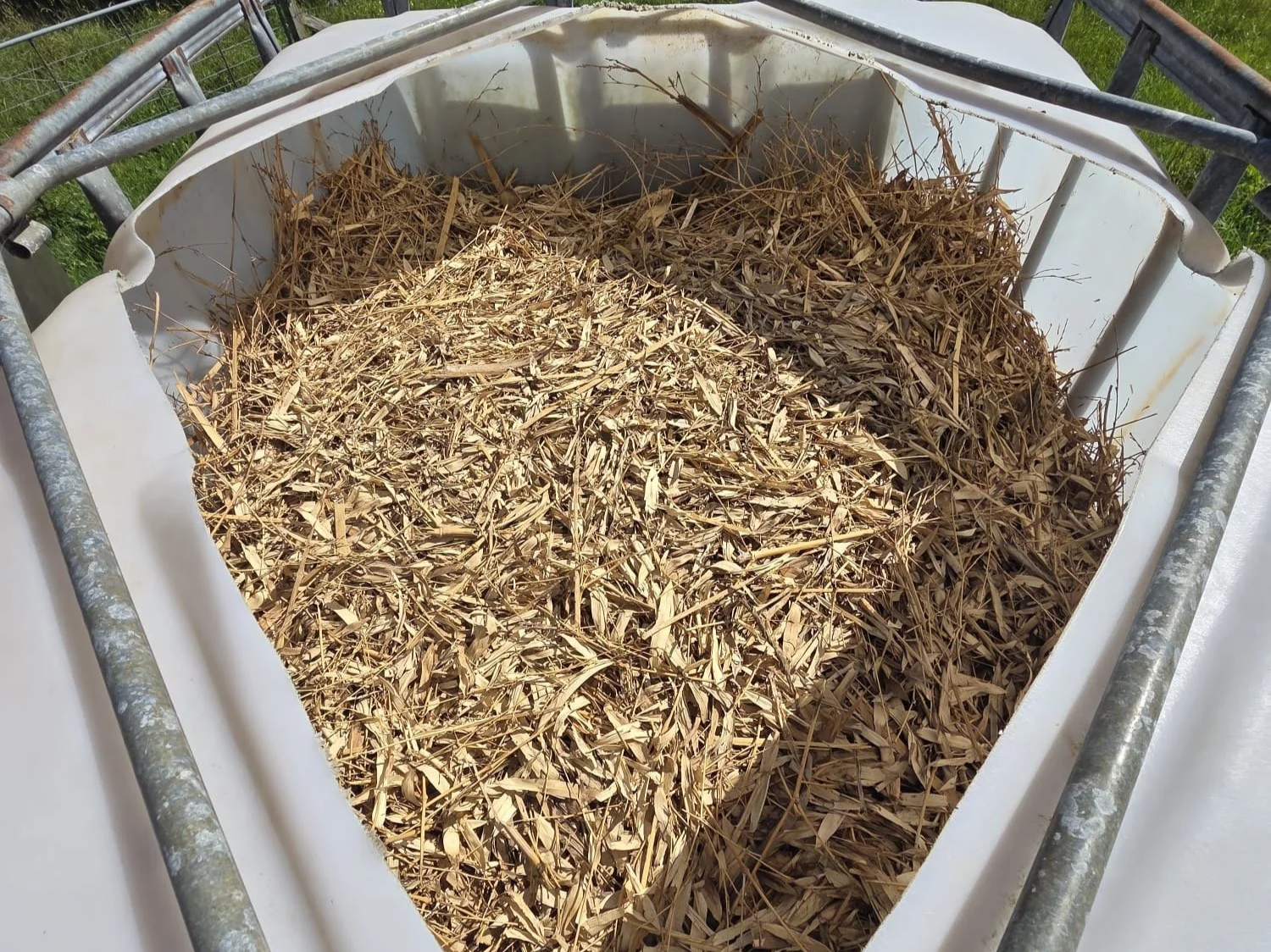
A Simple Recipe
Making a Bamboo Extract is very easy but you will need a few tools.
Find your supply of Bamboo or establish a patch on your farm. Roadside patches are probably not the best source but could be a way to start.
You will need a chipper to shred the Bamboo into finer particles for the breakdown to happen more rapidly.
A container probably 200 to 1000 litres.
Water and possibly some other additions like compost extract, EM, molasses, or a commercial biological inoculum (although it works fine without these things).
Place the chipped bamboo into the container, fill it completely.
Add water to the top of the container.
Wait 3 to 6 weeks depending on the time of year or until a layer of brown growth covers the top. These are organic residues, oxidized plant phenolic compounds, or light-induced algal growth which show the liquid is rich in nutrients.
Now it is ready to use.
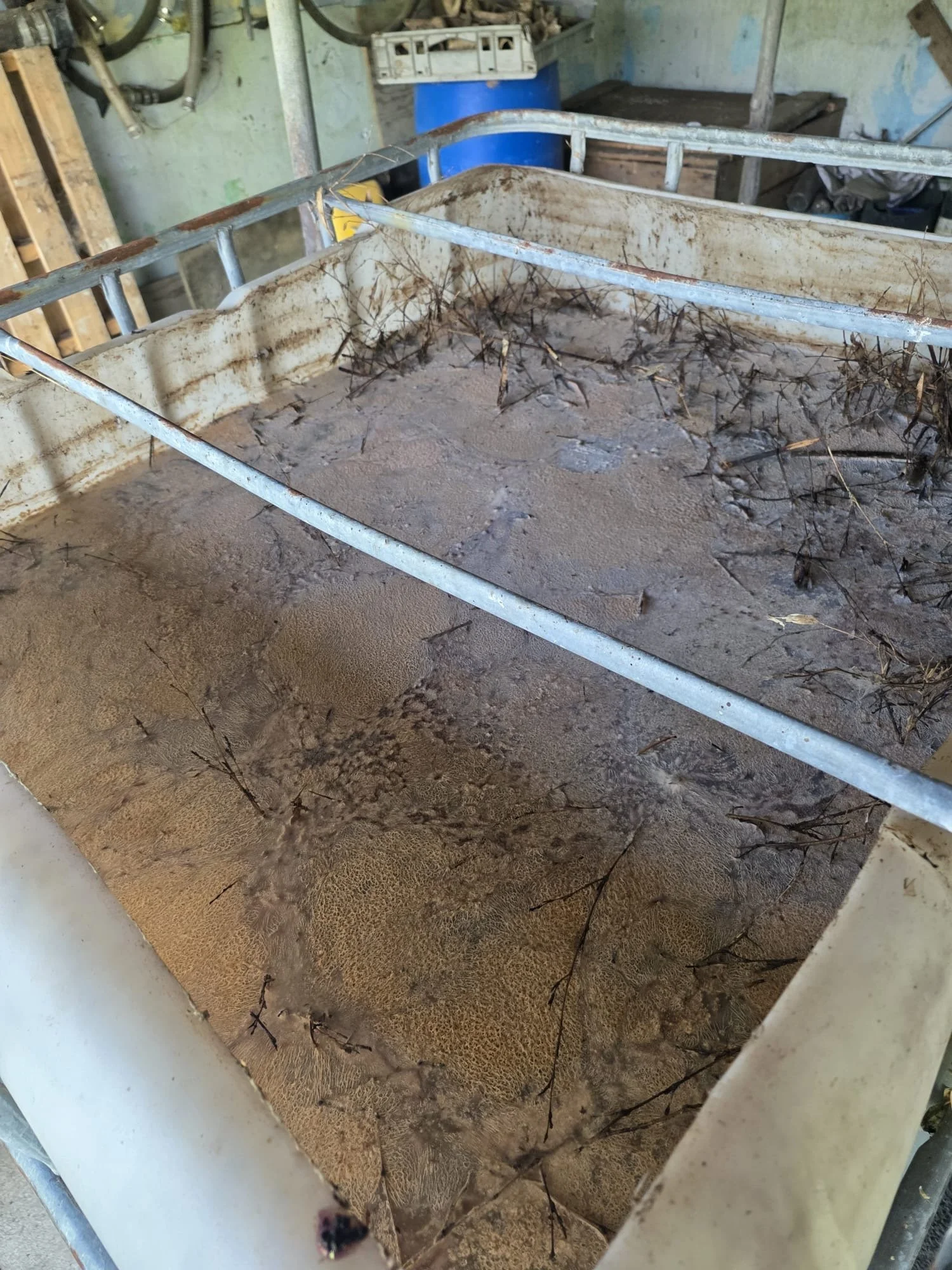
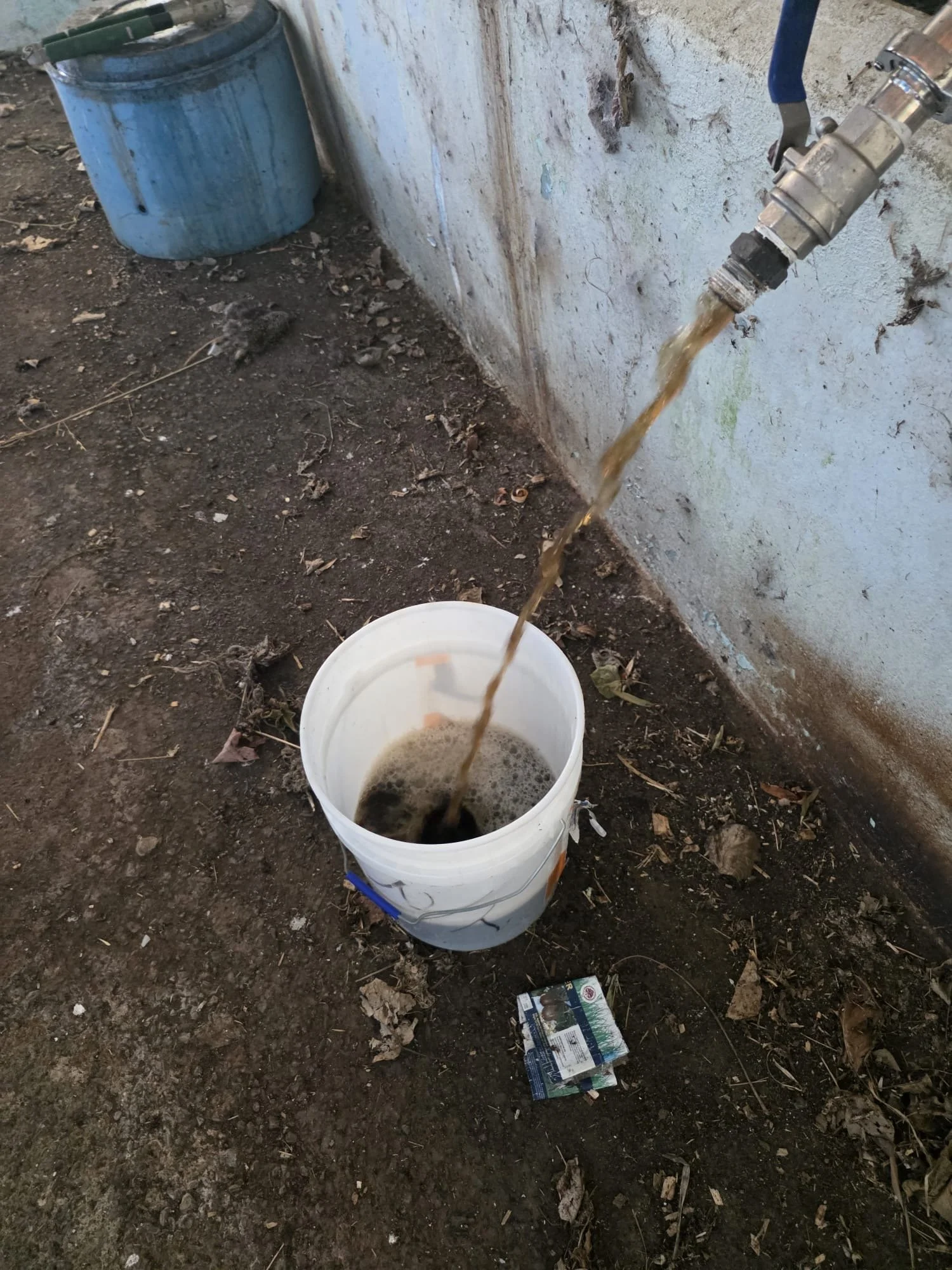
A More Technical Approach
For those that need a more technical approach to the process there are a couple of tools you can use:
Thermometer: A thermometer can be inserted into the mix you will generally see a rise of a few degrees the first couple of days due to the biological activity. It will then drop back to ambient temperatures.
pH Meter: The pH will drop over the first couple of weeks sometimes as low as 2. Then it will gradually rise back to near neutral (5 to 7)
EC meter: The Electrical Conductivity will gradually increase.
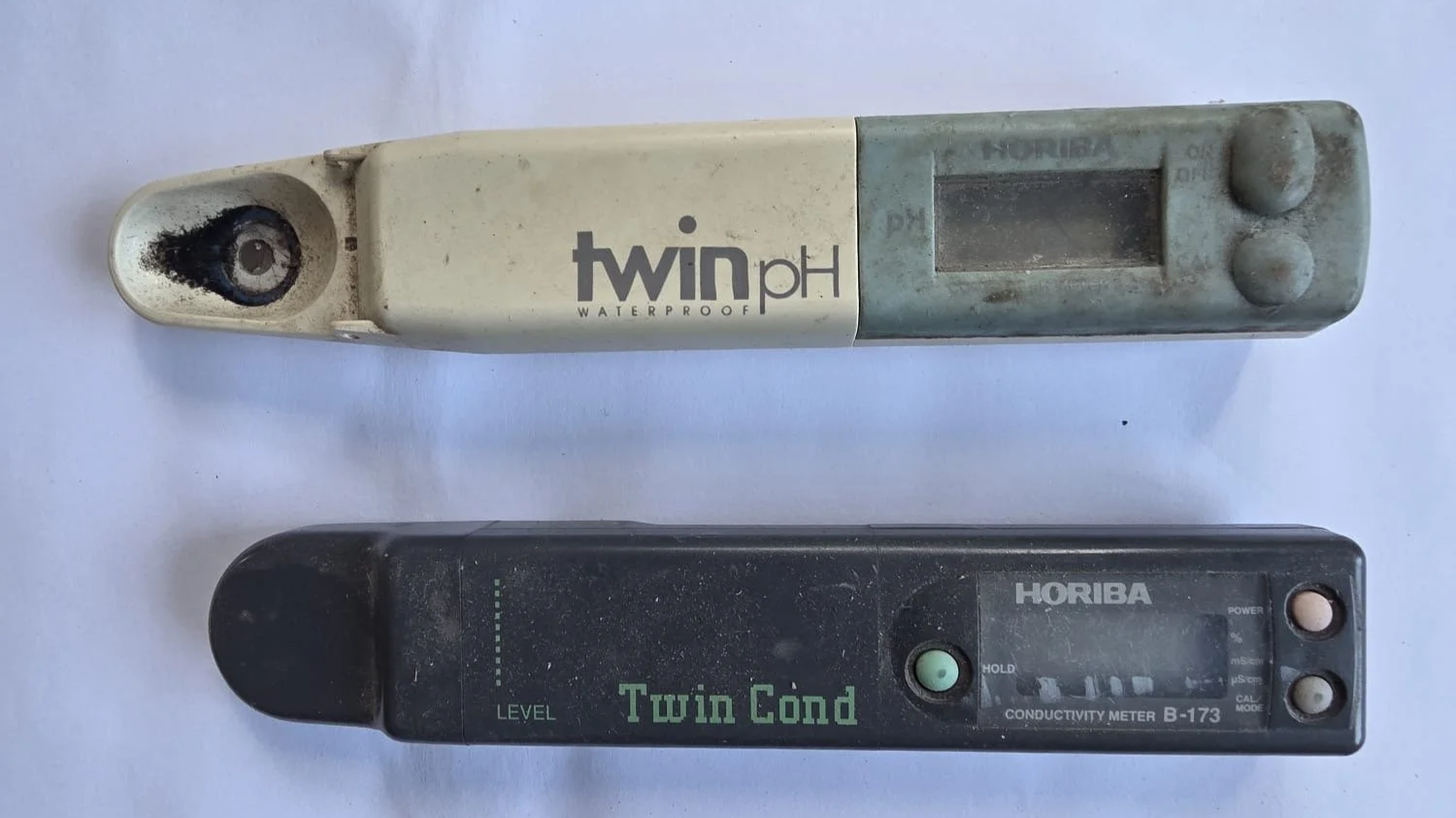
When the pH gets to neutral and the EC stops rising the brew is ready. These usually happen about the same time.
So, there you go, have some fun making Bamboo Extract and watch the magic begin.